
Walking for Weight Loss: The Proven, Low-Impact Plan to Burn Fat and Lose Weight Faster

Don’t get it twisted — pushing yourself in the gym absolutely matters. But just because high-intensity interval training (HIIT) dominates social media doesn’t mean it’s the only effective way to burn fat and lose weight.
In reality, you don’t need to redline your heart rate or crawl off a rowing machine to see progress. You can steadily shrink your waistline without exhausting workouts that leave you drained for the rest of the day. Strength training helps build and preserve muscle, but adding a structured walking routine to your week can be a powerful — and often overlooked — way to help the scale move in the right direction.
So how many steps do you actually need to take to lose weight? This guide breaks down the real benefits of walking, practical weight-loss strategies that support long-term success, and a simple step-by-step walking plan designed to deliver both physical and mental results — all through one of the most accessible forms of exercise there is.
Why Walking Works for Weight Loss
Walking may not be the fastest calorie-burning activity available, but it’s undeniably effective. Fat loss ultimately comes down to maintaining a calorie deficit, and walking helps increase daily energy expenditure without placing excessive stress on your body.
There’s a big difference between a relaxed stroll and a brisk, purposeful walk — especially when you add pace or incline. The beauty of walking is that it requires no special skills, equipment, or gym access. It’s simple, sustainable, and easy to repeat consistently, which is exactly what long-term weight loss demands.
While some fitness circles treat anything less than intense training as inferior, walking offers several advantages worth taking seriously.

Lower Risk of Injury
Heavy lifting and high-intensity workouts can be incredibly rewarding, but they also place significant stress on joints, tendons, and connective tissue — especially when fatigue or poor technique enters the picture.
Walking, by comparison, is low-impact and far less likely to lead to setbacks. As long as you wear supportive footwear and progress gradually, the risk of injury remains minimal. That makes it an excellent option for beginners, older adults, or anyone looking to stay active without constantly battling aches and pains.
Easier to Sustain Longer Sessions
HIIT workouts are efficient, but they’re also demanding. Most people can only maintain true high-intensity output for short periods of time.
Walking flips that equation. You can comfortably walk for 45 to 60 minutes (or longer) while still burning meaningful calories. The lower intensity allows you to accumulate more total activity across the week without overwhelming your recovery.

Perfect for Active Recovery
Recovery isn’t optional — it’s essential. Walking works beautifully on rest days by increasing blood flow, reducing stiffness, and promoting recovery while still contributing to daily calorie burn.
A relaxed 30–45 minute walk can help you stay active without interfering with muscle repair, making it a smart addition between strength training sessions.
The Truth About 10,000 Steps Per Day
If you own a smartphone or fitness watch, you’ve probably seen the famous 10,000-step goal. But surprisingly, that number didn’t originate from scientific research — it came from a 1960s marketing campaign for a Japanese pedometer.
That doesn’t mean steps don’t matter. Higher daily movement levels are associated with better health outcomes, but there’s nothing magical about hitting exactly 10,000 steps.
For many people, aiming for roughly 7,500 to 9,000 steps per day is both realistic and effective. Research suggests that accumulating around 225 to 420 minutes of physical activity per week supports meaningful weight loss, and walking is one of the easiest ways to reach that target.
In other words, consistency beats perfection. More movement is better — but you don’t need to chase an arbitrary number to see results.

Weight Loss Strategies That Actually Work
Losing weight isn’t complicated, but it does require consistency. While individual approaches vary, a few principles remain universal.
Plan Your Meals Ahead of Time
When nutrition is left to chance, progress usually suffers. Preparing meals in advance removes decision fatigue and makes it easier to stay aligned with your calorie and protein goals — especially during busy weeks.
Having meals ready to go dramatically reduces the temptation to make impulsive food choices that slow progress.
Limit Liquid Calories
Calories from drinks add up quickly without providing much satiety. Sugary sodas, juices, and high-calorie coffee drinks can quietly sabotage a calorie deficit.
Sticking primarily to water, sparkling water, black coffee, or unsweetened tea helps keep calories under control while leaving room for more filling, nutrient-dense foods.
Track Your Intake (At Least Initially)
Awareness drives results. Keeping a food journal — even for just a week — can reveal patterns in portion sizes, snacking habits, and overall calorie intake. Many people discover they’re eating far more (or less) than they realized.

Combine Walking With Strength Training
Cardio alone isn’t the most efficient path to long-term fat loss. Strength training helps preserve muscle mass, supports metabolism, and improves body composition.
You don’t need to train like a competitive lifter, but lifting weights two to three times per week alongside regular walking creates a powerful combination for fat loss and overall health.
A Simple Walking Plan for Weight Loss
If you’re ready to turn walking into a results-driven habit, this weekly structure offers an easy starting point. You can complete these sessions outdoors or on a treadmill — whichever keeps you most consistent.
Day 1: 30-minute brisk walk on flat ground
Day 2: 15 minutes brisk walking at a 3–5% incline, followed by 15 minutes at a slightly higher incline and slower pace
Day 3: Rest
Day 4: 20-minute easy walk in the morning and another 20-minute walk after your final meal
Day 5: 40-minute brisk walk on flat terrain
Day 6: 10 minutes brisk walking at a 5–7% incline, 10 minutes at a higher incline and slower pace, finish with 10 minutes flat at a brisk pace
Day 7: Rest
Walk Your Way Leaner
Walking may not look flashy, but it works. When combined with smart nutrition and consistent strength training, it becomes one of the most sustainable tools for losing weight, improving recovery, and supporting long-term health.
You don’t need extreme workouts to see meaningful change — just consistent steps in the right direction.

Frequently Asked Questions
Can you walk too much?
Yes — even something as joint-friendly as walking can be overdone if recovery and mechanics are ignored. Pay attention to posture, stride, and especially your footwear, since poor support can lead to unnecessary stress on your joints. Persistent soreness, nagging aches, or joint discomfort are signs you may need to scale things back.
That said, walking remains one of the safest and most sustainable forms of exercise, and for most people, daily walks are not only manageable but highly beneficial.
Is walking on an empty stomach better for fat loss?
Fasted cardio has its fans, but research shows that walking before or after eating doesn’t meaningfully change fat loss or body composition outcomes. The best approach is the one you’ll stick with consistently. If you feel energized walking before breakfast, go for it. If you prefer a light snack first, that works just as well.
Should you stretch before or after walking?
Save longer, static stretches for after your walk when muscles are warm and more pliable. Before heading out, opt for a short dynamic warm-up — think leg swings, gentle lunges, or brisk marching — to increase circulation, raise body temperature, and prepare your muscles and joints for movement.
How often should walking shoes be replaced?
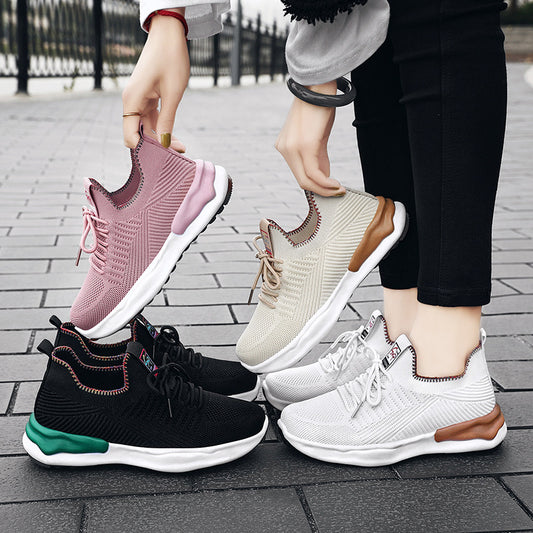
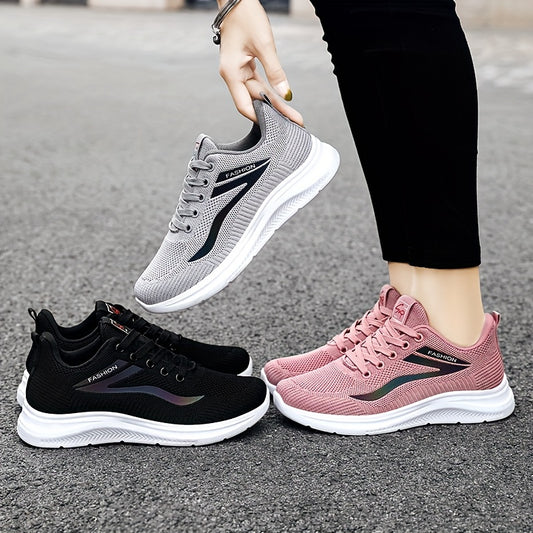
Most experts recommend replacing walking or running shoes every 300–500 miles. For someone walking about 30 minutes a day, five days per week, that usually means a new pair every six to twelve months. Worn-out shoes lose cushioning and support, which can quietly increase injury risk over time.
How can I prevent shin splints while walking?
Shin splints often stem from doing too much too soon or wearing unsupportive footwear. To reduce your risk, choose well-cushioned shoes, increase your walking volume gradually, and build in recovery days when needed. A steady progression beats sudden jumps in distance or pace every time.
References
- Strasser, B., Spreitzer, A., & Haber, P. (2007). Fat loss depends on energy deficit only, independently of the method for weight loss. Annals of nutrition & metabolism, 51(5), 428–432. https://doi.org/10.1159/000111162
- Chomentowski, P. J., Dubé, J. J., Amati, F., Stefanović-Račić, M., Zhu, S., Toledo, F. G., & Goodpaster, B. H. (2009). Moderate exercise attenuates the loss of skeletal muscle mass that occurs with intentional caloric Restriction-Induced weight loss in older, overweight to obese adults. The Journals of Gerontology, 64A(5), 575–580. https://doi.org/10.1093/gerona/glp007
- Lee, I., Shiroma, E. J., Kamada, M., Bassett, D. R., Matthews, C. E., & Buring, J. E. (2019). Association of step volume and intensity with All-Cause mortality in older women. JAMA Internal Medicine, 179(8), 1105. https://doi.org/10.1001/jamainternmed.2019.0899
- Tudor‐Locke, C., & Bassett, D. R. (2004). How many Steps/Day are enough? Sports Medicine, 34(1), 1–8. https://doi.org/10.2165/00007256-200434010-00001
- Swift, D. L., Johannsen, N. M., Lavie, C. J., Earnest, C. P., & Church, T. S. (2014). The role of exercise and physical activity in weight loss and maintenance. Progress in Cardiovascular Diseases, 56(4), 441–447. https://doi.org/10.1016/j.pcad.2013.09.012
- Schöenfeld, B. J., Aragon, A. A., Wilborn, C., Krieger, J., & Sönmez, G. T. (2014). Body composition changes associated with fasted versus non-fasted aerobic exercise. Journal of the International Society of Sports Nutrition, 11(1). https://doi.org/10.1186/s12970-014-0054-7
- How Do I Know When It Is Time To Replace My Athletic Shoes. (n.d.). https://www.aapsm.org/replace_shoes.html